
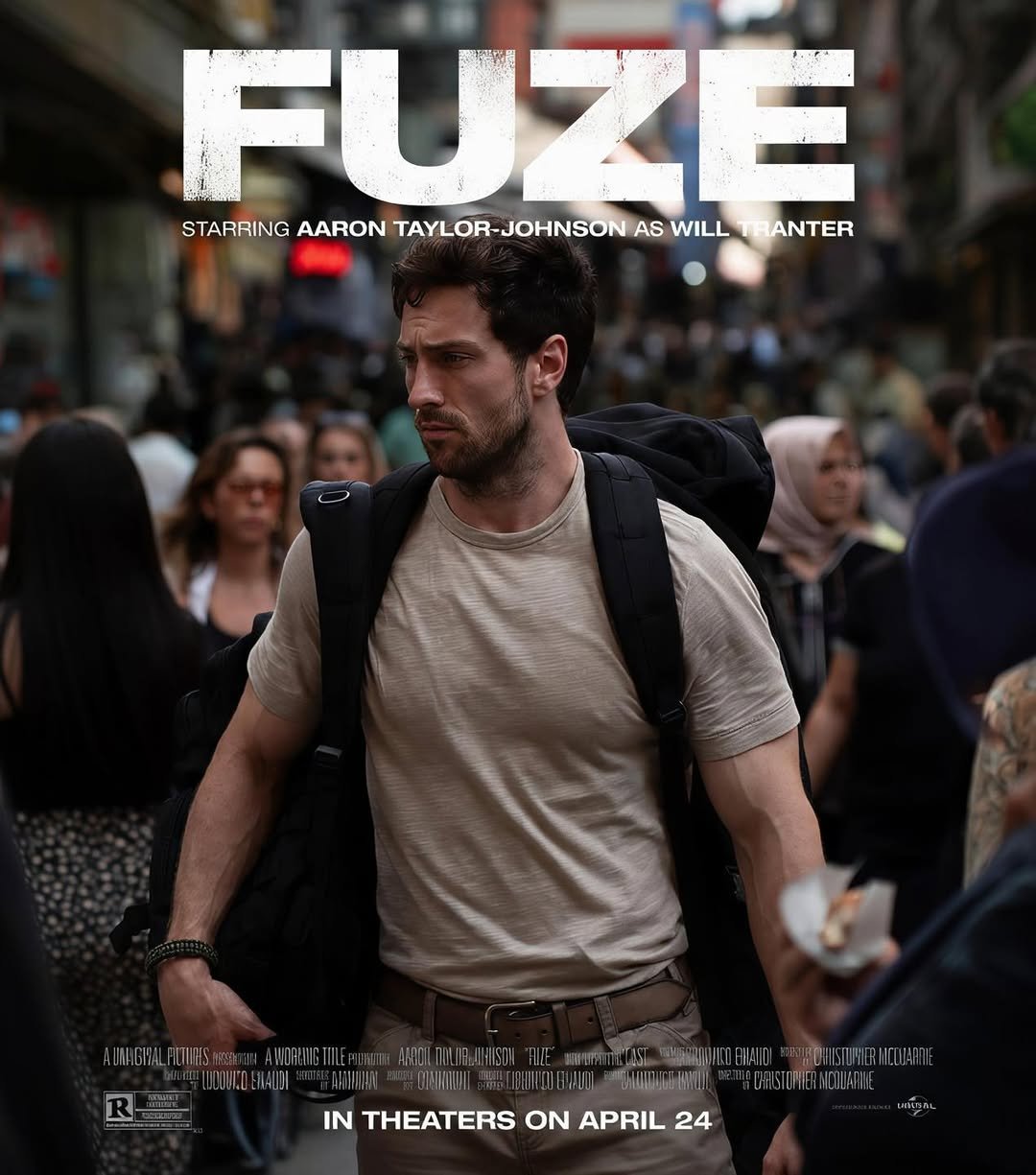
Fuze 2026 Ending Explained: Every Wild Twist, Double-Cross, and That Massive London Bank Heist Finale Unpacked
Fuze (2026)


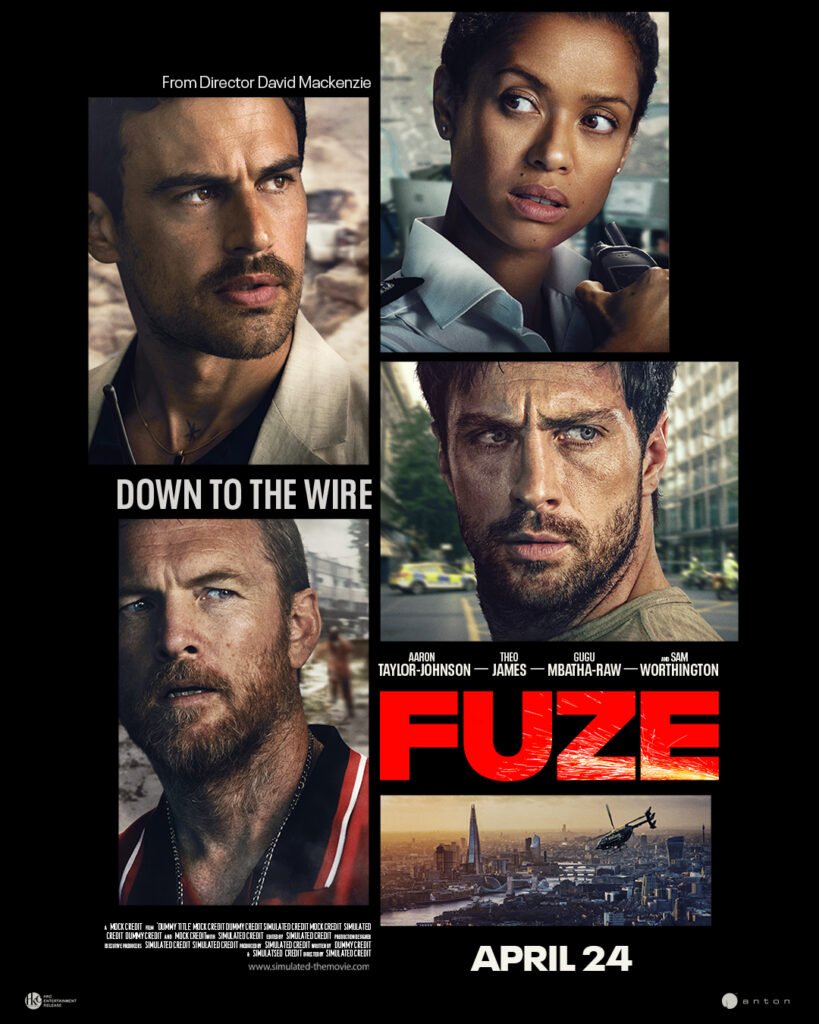
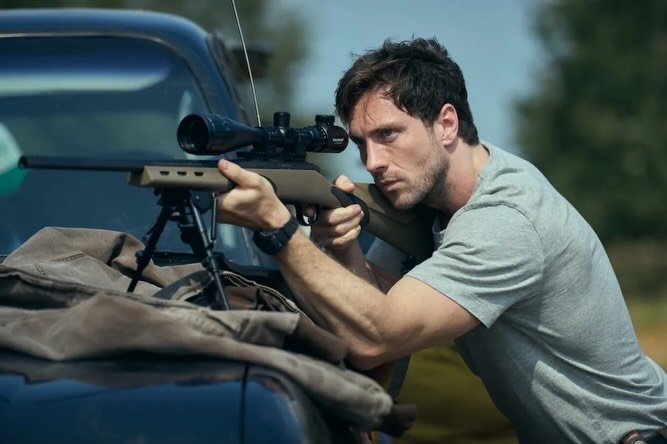
If you left the credits of director David Mackenzie’s Fuze (2026) scratching your head, you are certainly not alone. What began as a clinical, tightly wound tactical thriller about an unexploded World War II Blitz-era bomb quickly dissolved into a dizzying, hyper-kinetic web of criminal betrayals, shifting allegiances, and tonal whiplash.
The film’s final thirty minutes abandon the grounded realism of the Paddington evacuation zone, exchanging structural suspense for a chaotic game of criminal chess where no one is who they claim to be, and no one walks away empty-handed without looking over their shoulder.
To fully understand the climax of this 96-minute adrenaline rush, we have to peel back the layers of the heist itself, track the rapidly compounding betrayals within the crew, and analyze that highly debated, Ocean’s-style final flashback scene that has left the film community entirely split. Here is the definitive, comprehensive breakdown of the Fuze 2026 ending.
The Big Reveal: Was the Bomb Actually Real?
To unpack the finale, we must first look at the literal anchor of the film’s plot: the 1,000-kilogram unexploded ordnance found beneath the Paddington construction site. For the first two acts of the movie, the narrative treats this weapon with severe, documentary-style gravity. Major Will Tranter (Aaron Taylor-Johnson) risks his life navigating the rusted, volatile anatomy of a device that has slept beneath London’s pavement for over eighty years.
However, the turning point of the entire film occurs when a lower-ranking military technician named Martin (Alexander Arnold) notices a critical structural anomaly. A specific internal component of the primary fuse layout lacks the expected eighty years of corrosive rust, indicating it has been recently manipulated.
The Mechanism of the Trap
The bomb was completely real—but its volatile status in 2026 was a meticulously staged theater piece. The heist syndicate, utilizing deep insider knowledge of London’s subterranean development grids, knew the exact location of this dormant historical weapon. Before the construction crew breached the lower foundations, an operative rigged the ordnance with a secondary, modern ticking mechanism.
This modern modification was calculated to trigger specific, erratic thermal and kinetic readings the moment the military’s diagnostic tools hooked onto the shell. The objective was simple: force an immediate, unarguable Tier-1 emergency lockdown. By transforming the site into a ticking time bomb that “could detonate at any minute over a 48-hour window,” the criminals guaranteed a multi-block ghost town along Edgware Road. This gave the drilling crew, spearheaded by X (Sam Worthington) and Karalis (Theo James), the perfect unmonitored vacuum to compromise the bank’s vaults without triggering traditional seismic or acoustic neighborhood alarms.
The Anatomy of the Heist: Safety Deposit Boxes and Uncut Diamonds

While Major Tranter and Chief Superintendent Zuzana Greenfield (Gugu Mbatha-Raw) pour state resources into securing the perimeter, the heist crew operates out of the basement of an evacuated residential building positioned directly behind the target bank. The building’s residents, including Rahim (Elham Ehsas) and his family, are forced to flee into the rainy London night, leaving the lower levels completely clear for the criminal enterprise.
The robbery itself is not a standard cash grab. The crew bypasses the main teller reserves and focuses exclusively on high-value, unlisted safety deposit boxes. Karalis bypasses the standard vault protocols to retrieve a highly specific, heavily insulated package.
What Was Inside the Vault?
The mysterious payload consists of millions of dollars worth of premium, unvessel-marked uncut diamonds. These diamonds did not belong to the bank; they belonged to an elite international criminal syndicate that used the private vault as a neutral transit point.
By executing the robbery under the umbrella of a citywide military evacuation, the theft could theoretically be blamed on structural looting or, even better, entirely vaporized if the bomb actually suffered a catastrophic containment failure.
The Falling Dominoes: Tracking the Triple-Cross Climax
Once the diamonds are finally secured, Fuze abandons its methodical bomb-disposal tension and transforms into a story driven almost entirely by greed, mistrust, and betrayal.
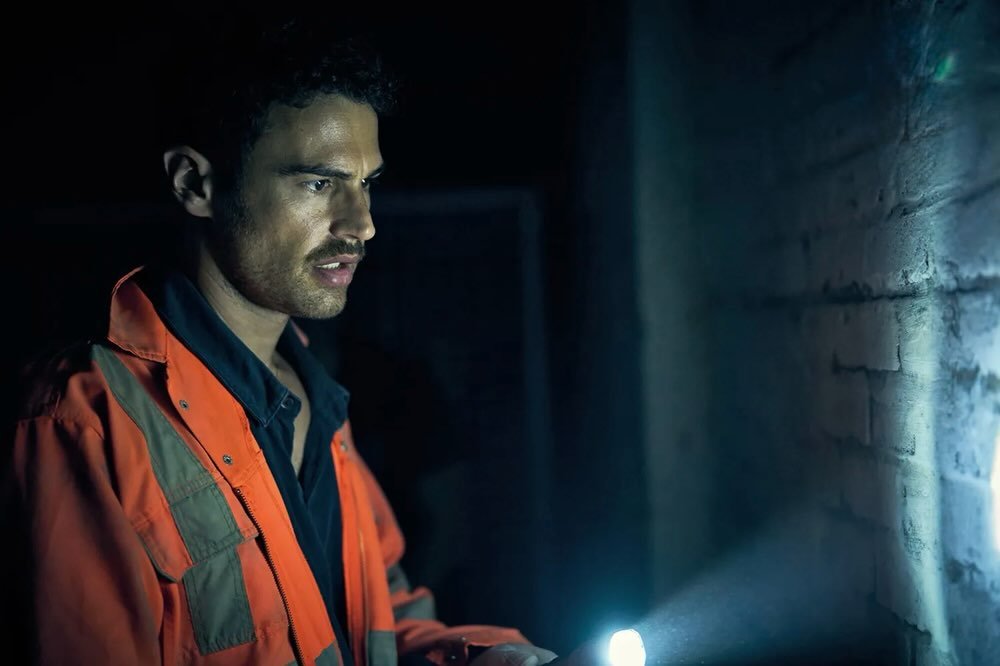
- Karalis Turns on His Own Crew
After successfully completing the heist, Karalis gathers the surviving members of the operation inside a secluded building where they can avoid immediate police attention. For the first time, he reveals the true scale of what they have stolen, displaying the diamonds and informing the crew that the haul is worth tens of millions of dollars.
The revelation immediately raises questions. Several members demand to know why Karalis never disclosed the value of the target before the operation began. Rather than offering a detailed explanation, Karalis insists that he is the only person who understands the business arrangements behind the theft. He then excuses himself under the pretense of making an important phone call.
The move is not accidental. Karalis has already decided to eliminate his partners and keep control of the diamonds for himself.
- The Cousin’s Double-Cross
Shortly after Karalis leaves, armed men led by his cousin storm the building and open fire on the crew. The surviving thieves quickly realize that Karalis has set them up.
However, Karalis has made a critical mistake: he assumes his cousin is loyal.
During their reunion, tensions emerge over the true value of the diamonds. Karalis attempts to downplay their worth, but his cousin clearly suspects that he is being deceived. The disagreement escalates when one of the diamonds is deliberately struck and shattered, deepening suspicions that Karalis has been hiding crucial information.
At that moment, the balance of power shifts. The cousin abandons any pretense of partnership and begins treating Karalis as another obstacle standing between him and the fortune.
- X Refuses to Stay Dead
While Karalis and his cousin turn on each other, X proves far more resourceful than either man anticipated.
The surviving members of the crew have been restrained rather than executed outright. Using the opportunity, X manages to free himself and the remaining men. One member of the team succumbs to earlier injuries, but the others regroup and begin hunting the people responsible for the betrayal.
A crucial reveal follows: X had secretly placed tracking devices on members of the operation because he never fully trusted Karalis or the rest of the crew. Those trackers allow the survivors to follow the trail directly to Karalis.
The resulting confrontation is fast, brutal, and increasingly chaotic as multiple factions converge with competing agendas.
- The Final Bloodbath
The endgame unfolds through a succession of violent confrontations that systematically wipe out the criminal organization from within. Former allies become enemies, loyalties collapse, and nearly everyone involved in the heist pays the price for their greed.
By the time the dust settles, only a handful of key players remain standing. What began as a carefully planned operation ultimately destroys itself through paranoia, deception, and the inability of any participant to share the reward.
The final act reinforces one of the film’s central themes: the bomb may have triggered the opportunity, but human greed is what ultimately causes the real explosion.