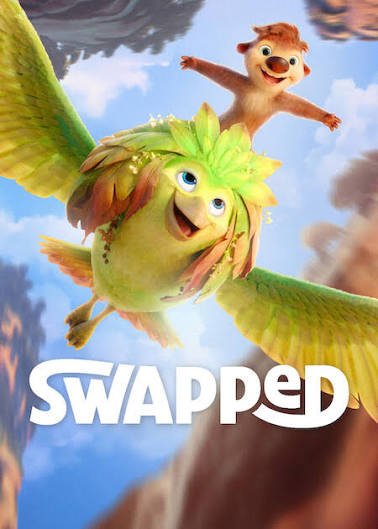
How Swapped on Netflix Reinvents the Classic Body-Switching Movie Genre
Swapped (2026 Animated Movie) Topic Cluster
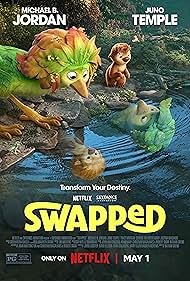
The body-switching narrative is one of the most enduring, well-worn frameworks in cinema history. From the foundational family dynamics of Freaky Friday to the live-action identity swaps of Vice Versa or The Change-Up, the genre has traditionally relied on a predictable formula: two characters with wildly different lifestyles or age gaps bicker, encounter a magical artifact, swap vessels, engage in rapid-fire fish-out-of-water comedy, and eventually return to their original bodies with a superficial moral lesson learned.
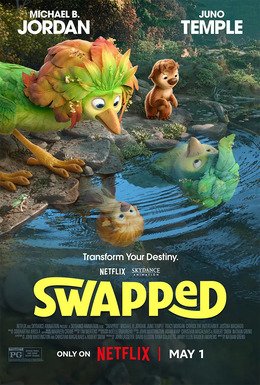
When Skydance Animation launched Swapped (2026) on Netflix, the primary challenge wasn’t just convincing audiences to fall in love with its gorgeous plant-animal hybrid aesthetic; it was proving that the film had something fresh to say within a genre that has been thoroughly explored. Directed by Nathan Greno, the Swapped Netflix movie transcends traditional identity-swap clichés. By shifting the premise from a simple psychological inconvenience into an evolutionary, socioeconomic, and ecological survival crisis, the film sets a brand-new high-water mark for how modern animation handles classic cinematic tropes.
Deconstructing the Formula: Classic Tropes vs. The Swapped Method
To understand how drastically this feature film updates the genre, one must look at the structural differences between traditional body-swap films and the specific narrative mechanics built into the world of The Valley.
+————————+—————————————–+——————————————–+
| Structural Layer | Traditional Body-Swap Trope | The Swapped (2026) Evolution |
+————————+—————————————–+——————————————–+
| Core Divide | Generational, Lifestyle, or Personality | Species, Geography, and Socio-Ecological |
| The Physicality | Instant mastery; surface-level gags | Visceral physical handicap; zero instinct |
| The Resolution | Verbal apology; returning to normalcy | Active systemic integration of ecosystems |
| The Antagonist | Social embarrassment / Missed deadline | A predatory fire-mutant fueled by isolation|
+————————+—————————————–+——————————————–+
In the classic iteration of this trope, the swap happens between characters who share the same language, geography, and species. The humor is derived from social errors—like a teenager trying to navigate a corporate business meeting or a parent trying to look cool at a high school dance.
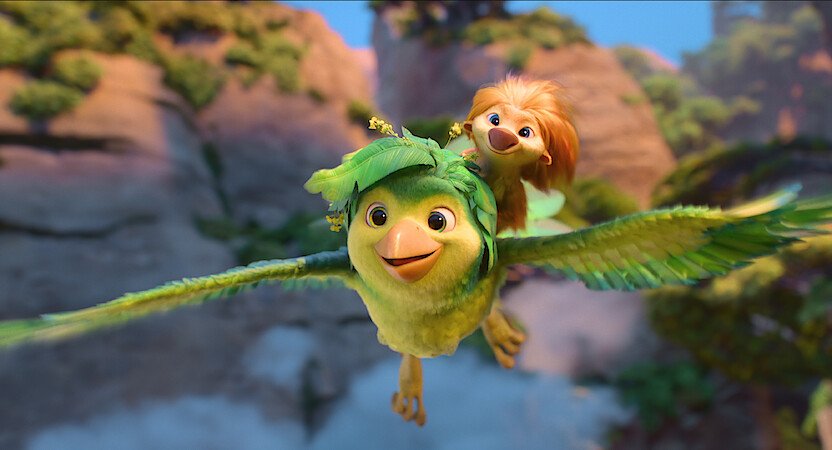
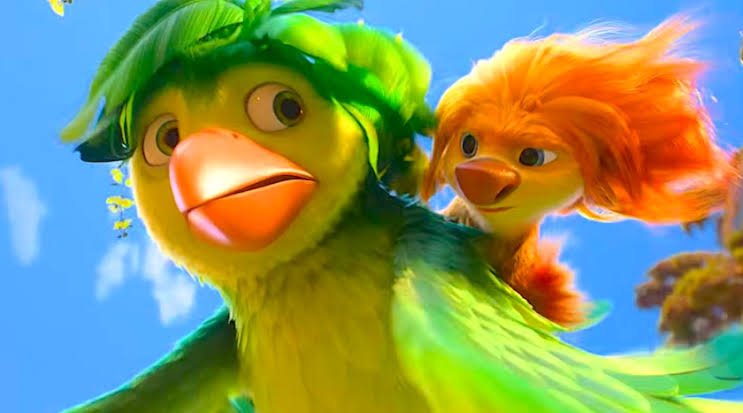
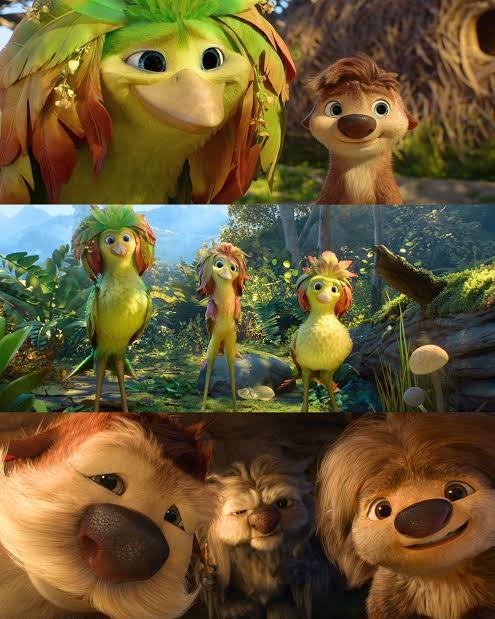
The Swapped Netflix movie obliterates this comfort zone by placing its characters at opposite ends of an evolutionary divide. Ollie (the Pookoo) and Ivy (the Javan) do not just have different personalities; they have completely different biologies, physical limitations, and deep-seated, generational prejudices that dictate how they view each other’s right to exist in the valley.
The Visceral Handicap: Forcing Physics Over Superficial Comedy
One of the most notable ways the film updates the genre is its hyper-focus on the somatic and physical reality of the transformation. In most identity-swap films, once the initial shock wears off, the characters can walk, talk, and move inside their new frames with relative ease, focusing instead on the social comedy of their situations.
Director Nathan Greno and his team treat the body-swap as an intense physical handicap. When Ollie’s mind enters Ivy’s avian body, he doesn’t just instantly fly around with minor clumsiness; he literally cannot comprehend how to balance a 10-foot wingspan or manage his center of gravity. His mammalian instincts scream at him to stay on all fours, causing him to drag his wings in the dirt, crash into branches, and experience crippling vertigo.
Conversely, Ivy’s aristocratic mind is trapped inside a tiny, slow, low-to-the-ground mammal frame. She faces a terrifying loss of status and safety, forced to recognize how dangerous the open forest floor is when you no longer have wings to escape predators. By grounding the comedy in the hard physics of motion and survival rather than simple social embarrassment, the film makes the character swap feel incredibly high-stakes.
From Personal Growth to Systemic Empathy: Expanding the Moral Scope
The traditional resolution of an identity-swap movie focuses entirely on personal relationships. A mother and daughter finally understand each other’s daily stressors, say an emotional “I love you,” and go back to their regular lives while the rest of society remains exactly the same.
- Dismantling the Binary Divide: Ollie and Ivy’s personal journey mirrors the broader political and ecological stalemate of their respective communities, meaning their individual growth is required to bridge a literal civil war.
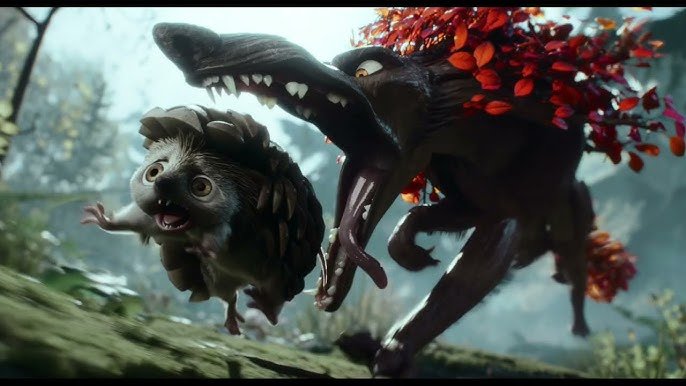
- Active Evolutionary Adaptation: To defeat the Firewolf at the Dzo Shrine, the characters cannot simply wait for the magic to wear off; they must actively learn to coordinate and master the evolutionary traits of their rival’s body, using bird-instincts and root-magic simultaneously.
- The Shared Workspace: The film’s final act doesn’t return the characters to isolated normalcy. Instead, it forces a physical integration of their environments, tearing down the geographic boundaries between the canopy and the undergrowth.
The Swapped Netflix movie expands this moral scope into a powerful metaphor for structural empathy. Ollie and Ivy are representatives of two groups locked in a bitter dispute over resources. Their individual journey of forced perspective becomes the exact key needed to save their world from the destructive, isolating fires of the Firewolf.
The film argues that true empathy is not a passive feeling of kindness; it is an active, demanding process of learning to completely reshape how you view the world from the ground up, making it one of the most intellectually rewarding family features in modern streaming history.