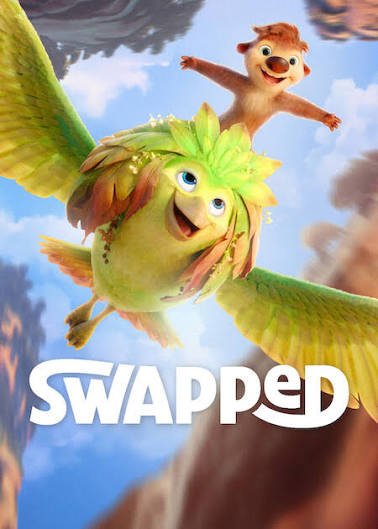
Swapped Netflix Ending Explained: The Meaning Behind That Emotional Twist
Swapped (2026 Animated Movie) Topic Cluster
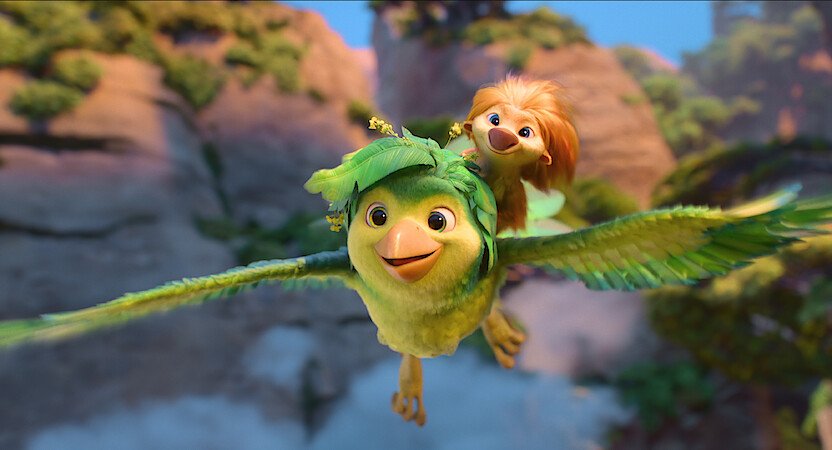
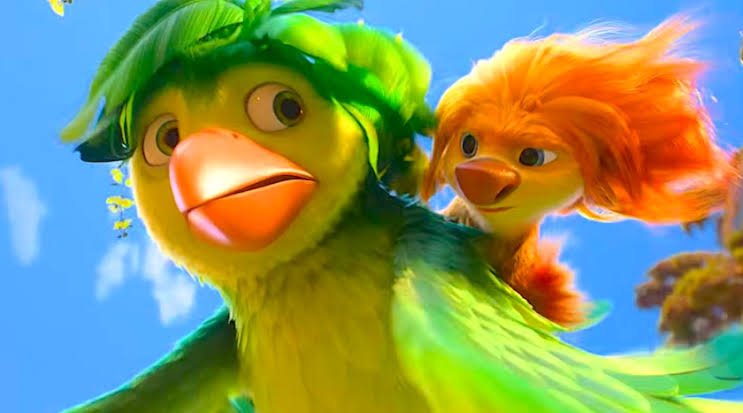
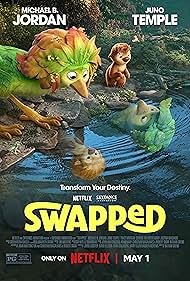
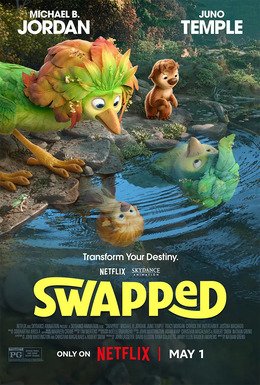
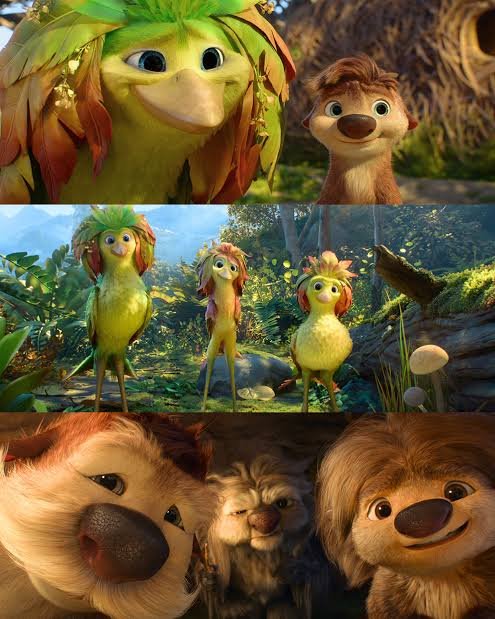
The final act of Skydance Animation’s Swapped (2026) elevates the film from a high-concept body-switching comedy into a beautifully layered parable about ecological interdependence and social empathy. Directed by Nathan Greno, the film spends its first two acts highlighting the vast biological and cultural divide between the ground-dwelling Pookoos and the high-canopy Javans. However, the third act forces a direct confrontation with the consequences of mutual prejudice.
By the time the narrative reaches its stunning climax at the ancient Dzo Shrine, the body-swap mechanic is no longer just an inconvenience for our protagonists, Ollie and Ivy—it becomes the ultimate tool required to save their entire ecosystem from total destruction. In this comprehensive breakdown, we will unpack the events of the final battle, explain the true nature of the antagonistic Firewolf, decode the hidden meaning behind the biological reversal, and analyze the film’s lasting message.
The Climax at the Dzo Shrine: Overcoming the Physical Paradox
The third act converges on the long-lost Dzo Shrine, a sacred, glowing clearing buried deep within the forbidden volcanic cracks of The Valley. Throughout their journey, Ollie (trapped in Ivy’s majestic bird body) and Ivy (trapped in Ollie’s small, moss-furred sloth frame) believed that reaching this location would automatically trigger a simple magical reset. Instead, they discover that the shrine’s ancient energy can only be activated when two conflicting species achieve absolute somatic and psychological alignment.
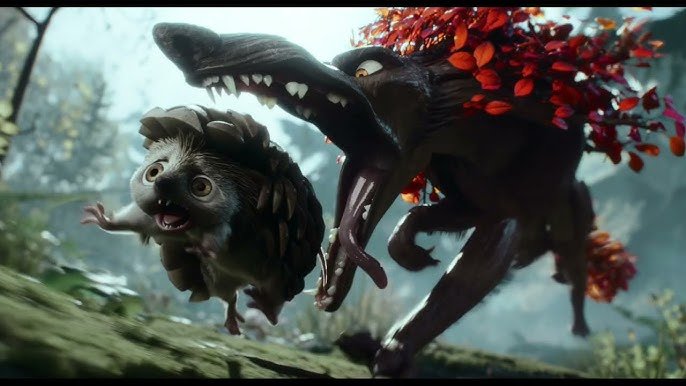
This discovery coincides with the arrival of the Firewolf, the apex predator whose body shifts between charcoal bark and living, liquid flame. The creature aims to consume the raw energy of the central Dzo Pod to trigger a permanent, global mutation that would allow his flame to spread unchecked across the entire valley.
+————————+—————————————+——————————————–+
| Character (Mind) | Physical Vessel Utilized in Battle | Core Tactical Contribution to the Climax |
+————————+—————————————+——————————————–+
| Ivy (Javan Aristocrat) | Ollie’s Pookoo (Sloth-Hybrid) Body | Channeling root energy to grow defensive flora|
| Ollie (Pookoo Outcast) | Ivy’s Javan (Avian-Hybrid) Body | Mastering flight to drop cooling river water|
| The Firewolf | Rogue Tree-Wolf (Ember Mutation) | Unleashing thermodynamic fire to burn roots|
+————————+—————————————+——————————————–+
The sequence avoids standard superhero action tropes. Because they are still trapped in each other’s bodies, they cannot fight using their own instincts.
Ivy’s Breakthrough: Ivy realizes that to defeat the fire, she must embrace the Pookoo’s innate, evolutionary connection to the subterranean dirt. Forlapping her pride, she digs her small claws deep into the soil, tapping into the root network to sprout giant, fire-resistant, water-retaining tropical flora that forms a shield around the shrine.
Ollie’s Breakthrough: High above, Ollie must conquer his fear of heights. Guided by Ivy’s verbal encouragement from below, he unlocks the aerodynamic secrets of her leaf-like wings. He steers into the thermal updrafts created by the Firewolf’s heat, carrying massive pockets of river water to drop onto the predator’s fiery core.
This sequence visually demonstrates the film’s core theme: survival requires utilizing the strengths of the “other.” The battle is won not by destroying an enemy, but by perfectly executing the roles of the species they initially looked down upon.
The Identity of the Firewolf: A Metaphor for Ecological Sickness
One of the most profound narrative revelations in the ending of Swapped involves the ultimate fate of the Firewolf. Rather than destroying the beast in a burst of magical light, the dousing of his flames by Ollie and Ivy triggers a final, startling regression. As the fire dies down, the fearsome apex predator shrinks, transforming back into Boogle, the eccentric, hyperactive purple fish with algae fins who had guided them through the river rapids earlier in the film.
This twist reveals the tragic lore of the villain. Boogle was not born a monster; he was originally a vulnerable creature who, centuries prior, allowed his fear of the valley’s natural predators to warp his mind. Seeking absolute security, he abused the magic of an ancient Dzo Pod to mutate his body into the Firewolf, trading his connection to the ecosystem for the power to destroy it. The ancient Dzo spirits punished him by locking his consciousness inside a harmless fish form, but the growing discord and prejudice between the modern Pookoo and Javan communities fed the valley’s negative energy, allowing his fiery persona to break free.
The Firewolf is an ecological metaphor for isolationism and fear. When a community or an individual becomes entirely consumed by self-preservation and views all neighbors as hostile rivals, they inevitably bring about their own destruction. By saving Boogle from his own fire, Ollie and Ivy heal a historical wound that has plagued The Valley for generations.
Decoding the Reversal: Why the Swap Didn’t Matter Anymore
With the balance of nature restored and the Firewolf pacified, the central Dzo Pod glows with a brilliant, clear emerald light, initiating the long-awaited reversal. Ollie’s consciousness returns to his mossy Pookoo frame, and Ivy reclaims her elegant Javan feathers.
However, the visual direction of this scene emphasizes that the physical transformation is almost an afterthought. The emotional core of the movie has already been resolved while they were still swapped. When they step back into their original bodies, they don’t look at themselves with relief; instead, they look at each other with profound respect and recognition.
The reversal signifies that the physical body is merely a vessel for perspective. Having spent days navigating the world from a completely different height, weight, and societal standing, their old bodies feel slightly foreign to them. Ivy no longer looks down at the ground with superiority; she knows how much strength is required to survive down there. Ollie no longer looks up at the sky with simple, naive jealousy; he understands the terrifying responsibility and danger that comes with commanding the wind.
The Final Scene: Building a Unified Valley
The film concludes with an epilogue that acts as a direct contrast to the opening prologue. The artificial “Dividing Line”—the deep canyon that historically kept the two species segregated—is bridged by the giant, fire-resistant roots that Ivy sprouted during the final battle.
We see a newly integrated society where the Javans fly down to help transport heavy harvest materials for the Pookoos, and the Pookoos use their deep botanical knowledge to help tend to the high-canopy nests during the dry season. Ollie and Ivy stand together on the root bridge, serving as the official leaders of this new multicultural coalition.
Ultimately, Swapped delivers a powerful message: Empathy is an active choice, not a passive feeling. The ancient Dzo magic did not change the characters by giving them new powers; it changed them by forcing them to live out the daily struggles of their rivals. By showing that a healthy ecosystem requires both the deep stability of the undergrowth and the broad vision of the canopy, the ending of Swapped leaves its audience with an inspiring reminder that our differences are not walls meant to divide us, but complementary pieces of a beautiful, living whole.