

The Girl You Die For: How Mackenzie Shirilla’s TikToks Fuel Netflix’s The Crash Controversy
The Crash Netflix: Deconstructing the Strongsville Tragedy
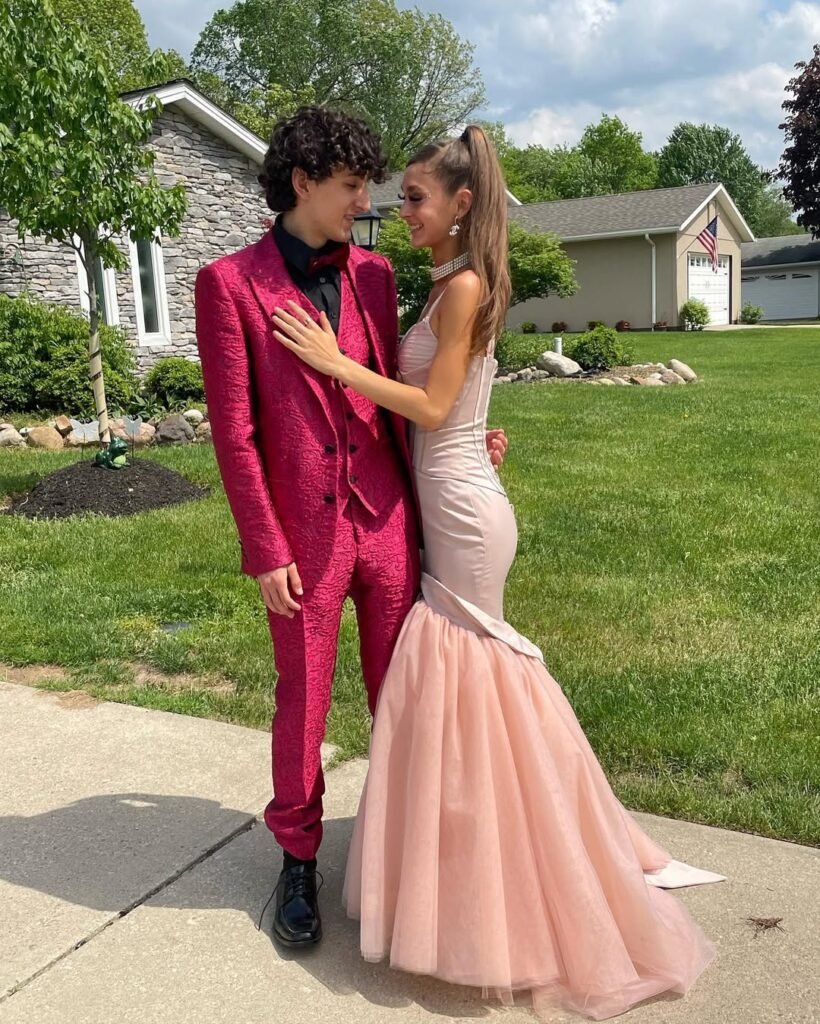
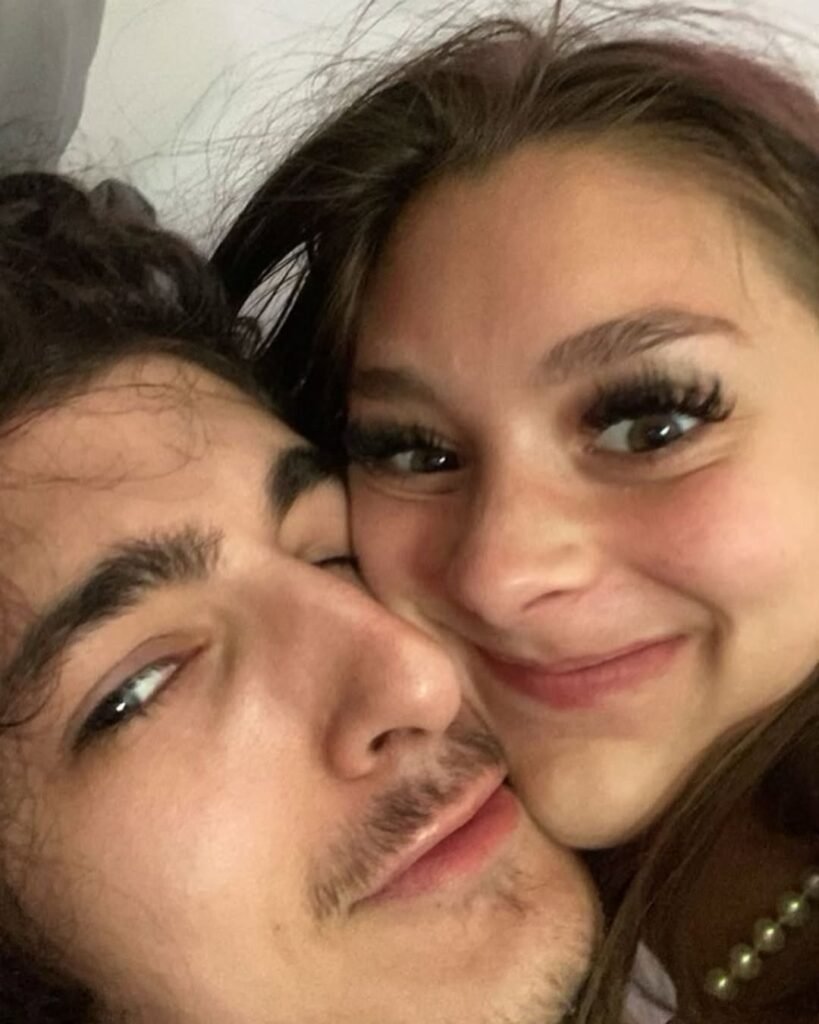

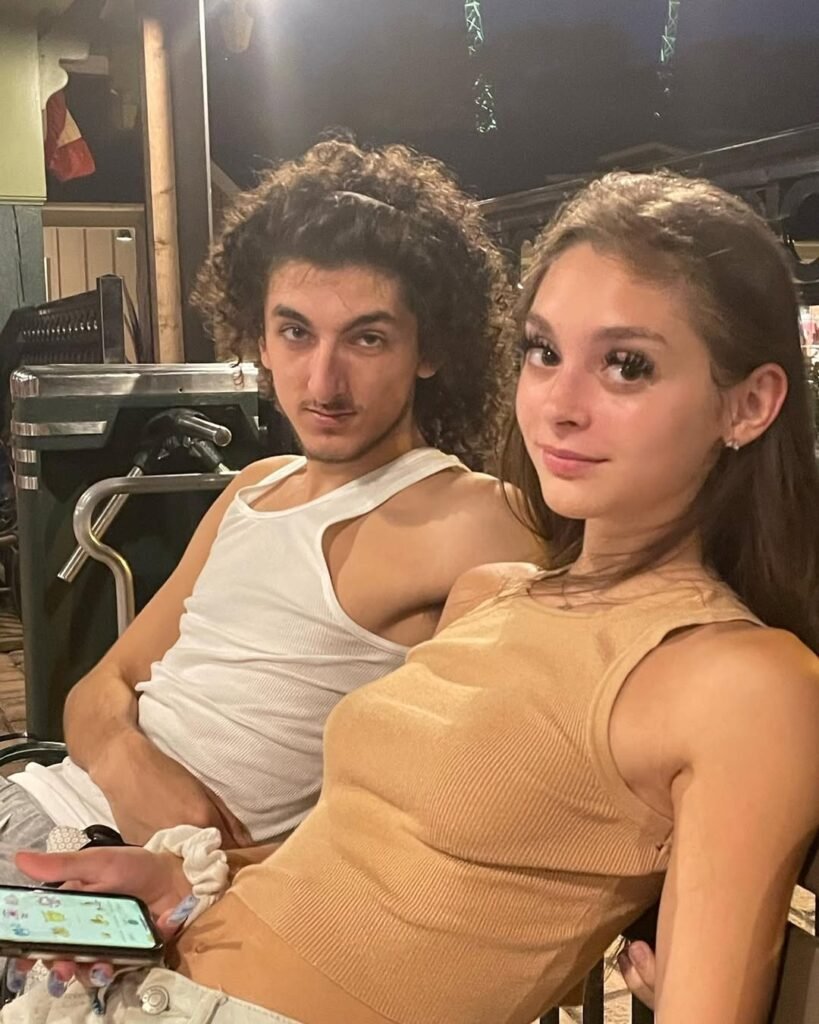

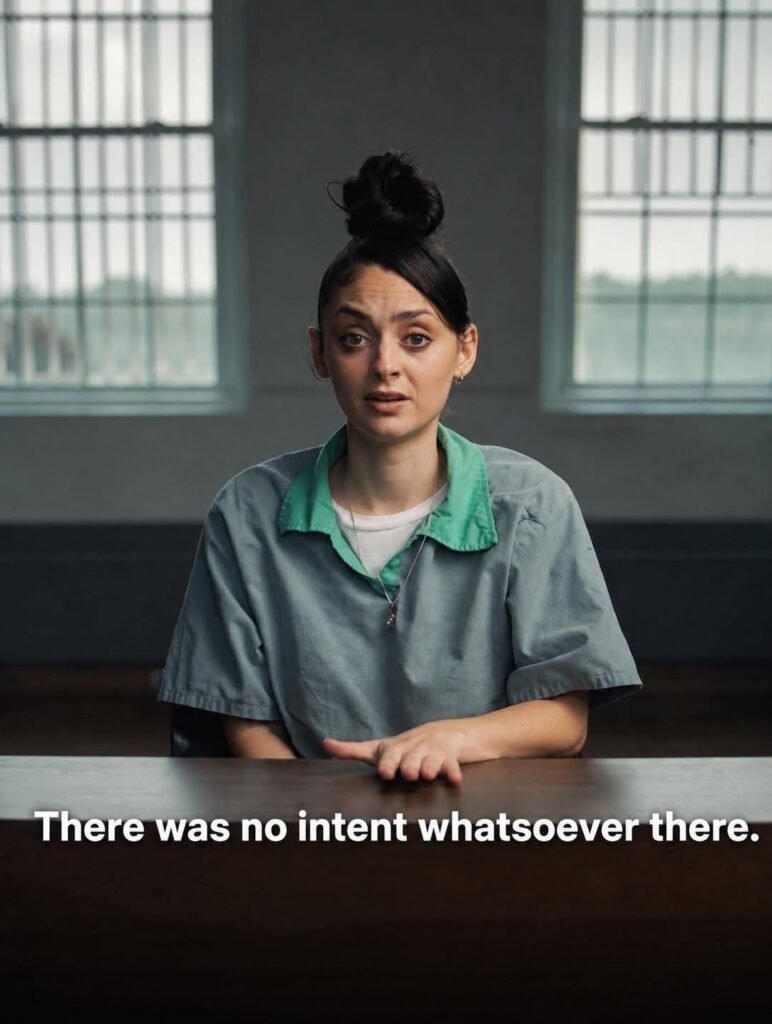
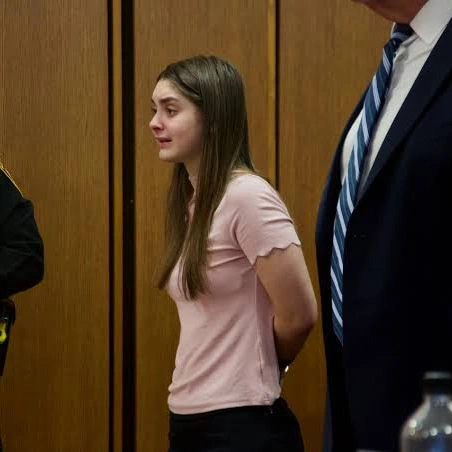


The intersection of criminal justice and Gen Z digital culture forms the explosive core of Netflix’s true-crime documentary The Crash. While mechanical telematics proved the physical reality of the 100 mph impact, and text logs established a history of relationship volatility, the court of public opinion was permanently decided by a handful of video clips. During the 2023 bench trial, the Cuyahoga County Prosecution team made an unprecedented strategic move: they introduced Mackenzie Shirilla’s post-crash TikTok videos and Instagram stories directly into evidence as a manifestation of her character, psychological state, and a complete lack of remorse.
Deconstructing the “Girl You Die For” Controversy
Of all the social media elements introduced during the trial, none captured the internet’s morbid fascination quite like the phrase that became the subtitle for her online infamy: “The girl you die for.” In the immediate aftermath of the double fatality, law enforcement and outraged internet users highlighted a specific post where Mackenzie used this exact phrase, framing it as a chilling, sociopathic confession hidden in plain sight. Prosecutors pointed to the caption as a literal statement of intent—proof that she viewed her relationship with Dominic Russo as a fatal, cinematic romance where he was destined to lose his life for her.
However, The Crash documentary highlights a massive generational disconnect between how baby-boomer law enforcement officials and Gen Z internet users interpret online content. During the film, close friends of Mackenzie and Dominic step forward to provide crucial context that the prosecution largely ignored.
The post in question was not an original, macabre thought penned by Mackenzie; rather, she was participating in a viral, mindless TikTok trend. Millions of teenagers across the platform were filming short aesthetic videos utilizing a specific lyric from a popular song by the artist Marina. To peers her own age, the caption was standard, vapid internet copy—an attempt to look edgy and attractive online. To the older investigators and the presiding judge, however, it was viewed through a strictly literal lens: a written declaration of a fatal narcissistic delusion.
The “Do Drugs and Not Die” Video Element
As the trial progressed, the digital evidence grew increasingly damaging to Mackenzie’s defense. The prosecution introduced a highly controversial, self-shot video that Mackenzie posted to her public TikTok account in the months following the tragedy. In the short clip, she stares directly into the camera, pouting and executing a standard beauty filter transition. The text overlay she typed across the screen read:
”I’m just one of those girls that can do a lot of drugs and not die.”
The public backlash to this video was instantaneous and total. To a community mourning the sudden, violent deaths of Dominic Russo and Davion Flanagan, seeing the surviving driver post lighthearted, boastful content about her own survival and drug consumption felt like a profound betrayal.
During the bench trial, prosecutors argued that this video provided a direct window into her true psychology. They asserted it proved an absolute deficit of empathy—showing a young woman who was completely unbothered by the fact that her peers were resting in graves while she was actively cultivating an online brand.
The Playboi Carti Costume Misunderstanding
Another major flashpoint in the trial centered on a series of photographs showing Mackenzie and a friend dressed up for a social event. In the images, Mackenzie’s face is painted to look pale, hollow, and skeletal, resembling a stylized corpse. The prosecution presented these photos to the court as a shocking, tone-deaf mockery of the fatal injuries sustained by the victims on Progress Drive. They argued she was actively glamorizing death and playing a twisted game with the memory of the deceased.
Once again, the documentary reveals a profound cultural and stylistic misunderstanding. When interviewed on camera, the friend who appeared in those exact photos flatly corrected the record:
”We weren’t dressing up as dead bodies. We were dressing up as [American rapper] Playboi Carti. We were trying to look like the aesthetic of his Whole Lotta Red era. I think literally anyone our age who listens to hip-hop would look at that makeup and instantly know exactly what it was.”
This revelation highlights the core tension explored throughout The Crash. The prosecution systematically collected the aesthetic expressions of an immature, highly online 17-year-old, stripped them of their subcultural context, and reassembled them to construct a profile of a calculating, cold-blooded killer.
Performative Grief vs. Digital Pathology
The final segment of the digital analysis focuses on Mackenzie’s behavior while hospitalized and in the immediate weeks following her discharge. While the families of Dominic and Davion were organizing funerals, Mackenzie’s TikTok account experienced a massive spike in engagement. She posted multiple videos from inside her medical ward, showing her sitting in a wheelchair, documenting her physical therapy, and eventually filming herself attending a crowded music concert while still recovering from her fractures.
To traditional legal minds, the expected behavior of a traumatized survivor who just lost her boyfriend and friend in a horrific accident is total withdrawal, silence, and profound visible mourning. Mackenzie’s immediate instinct, however, was to content-ize her recovery. When a clothing brand reached out to her for a sponsored partnership during her recovery, both Mackenzie and her mother reacted with an unseemly, enthusiastic focus on her growing digital metrics.
True-crime critics argue that this behavior is symptomatic of a deeply rooted digital pathology—a state of mind where reality does not truly exist unless it is packaged, filtered, and uploaded for external validation. Whether Mackenzie Shirilla driven by a cold, calculating desire to mock her victims, or whether she was simply a hyper-detached product of the algorithms she consumed, her TikTok footprint ultimately sealed her legal fate. It transformed her in the eyes of the law from a tragic teenager involved in an accident into a unsympathetic, detached figure that the justice system felt entirely justified in locking away for life.