
Why Netflix’s The Crash Is the Most Polarizing True Crime Documentary of 2026
The Crash Netflix: Deconstructing the Strongsville Tragedy






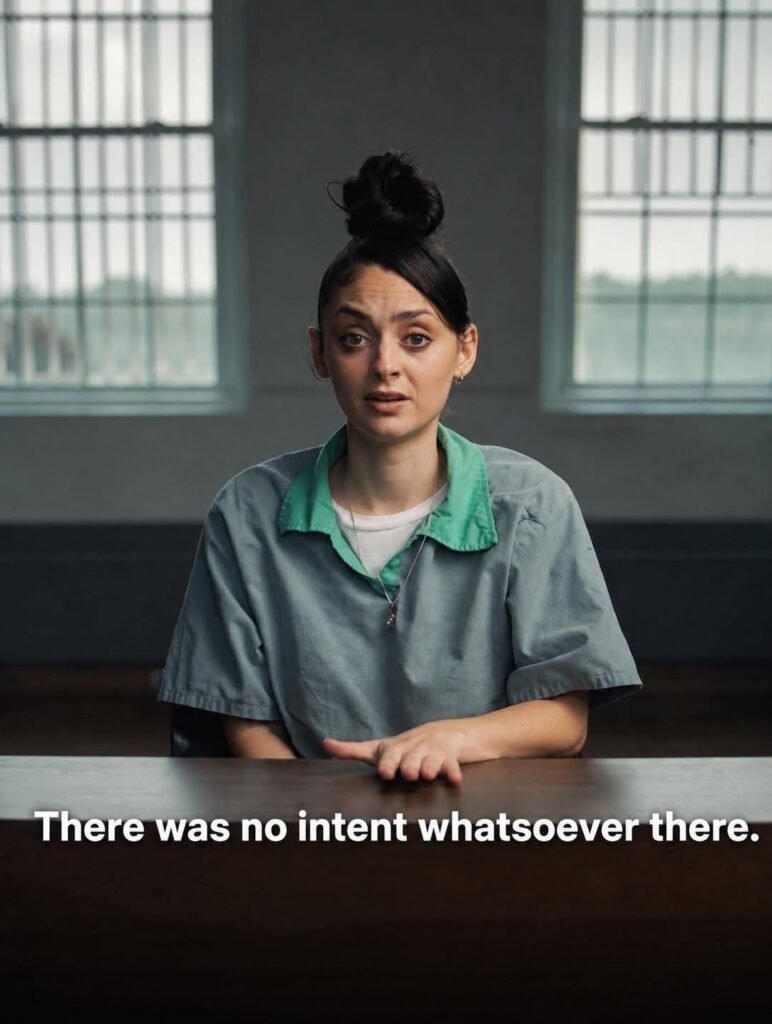



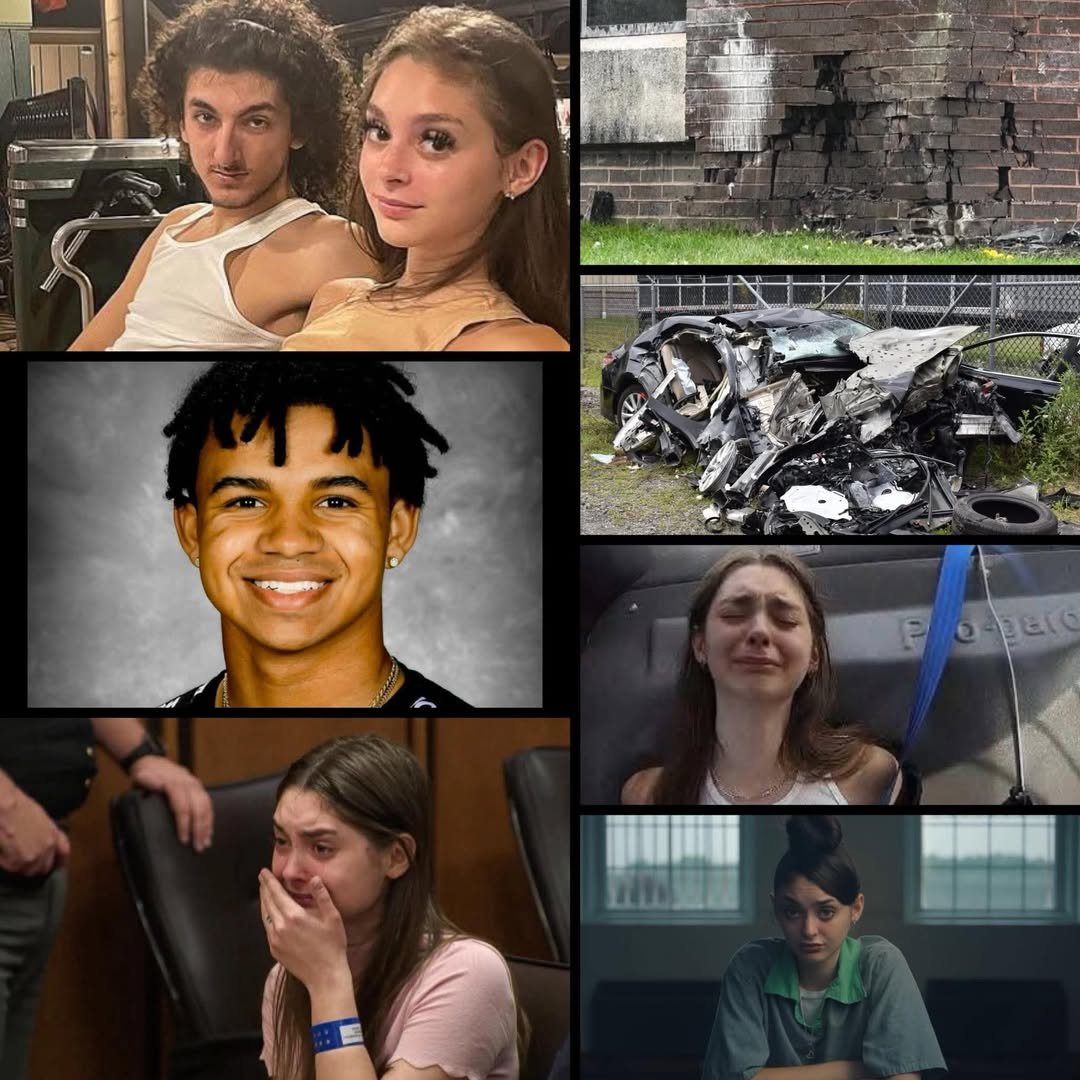
When Netflix released its 1 hour+ true-crime film The Crash, it did not just recount the facts of a devastating 2022 vehicular homicide out of Strongsville, Ohio. Instead, director Gareth Johnson and executive producer Rebecca North created a lightning rod for cultural debate. Within days of its release, the film shot to the absolute #1 movie position globally, dominating Google Trends and triggering a massive wave of online discourse. Holding a high 91% critical rating on Rotten Tomatoes but a drastically split 62% audience score, the film highlights a deep divide in how society processes tragedy in the digital age.
This closing chapter explores the cultural phenomenon behind its success. The project succeeded because it sits at the intersection of traditional true crime and a unprecedented, modern dilemma: how the justice system evaluates a generation whose private emotions, relationship milestones, and coping mechanisms are permanently archived on public platforms.
The Streaming Landscape: Why It Exploded into #1
The true-crime genre is incredibly crowded, with streaming platforms releasing dozens of docuseries every month. Yet, The Crash achieved a rare level of cultural penetration, matching the viral heights of past hits like American Nightmare and What Jennifer Did. The documentary achieved this by shifting the focus away from the typical investigative tropes.
Audiences were not watching a mystery to find out who committed the act; the driver’s identity was never in question. Instead, the film functions as a psychological thriller wrapped in a systemic critique. It forces viewers to look directly at the digital footprints left by teenagers, making them feel like active participants in a sprawling, online jury.
The Digital Generation Gap on Trial
The defining cultural tension explored throughout the documentary is the massive generational divide between the Baby Boomer law enforcement officials prosecuting the case and the Gen Z peers who lived through it. This friction point is perfectly illustrated by how the court interpreted Mackenzie’s social media posts.
To the adult investigators, prosecutors, and the presiding judge, Mackenzie’s highly curated aesthetic posts—such as captioning a video with a trending song lyric like “the girl you die for”—were viewed as literal confessions of a calculating narcissistic predator. However, the film gives a voice to her peers, who patiently explain that she was simply participating in a mindless, algorithmic video trend to gain followers.
This brings a unsettling realization to light: the justice system is increasingly applying a literal framework to a generation’s performative online output. The Crash leaves audiences wondering if Mackenzie was convicted strictly because of the cold telemetry data from the car’s black box, or if her sentence was heavily influenced by an older generation’s deep-rooted distaste for modern teenage online culture.
True Crime’s New Focus: The Slop of Being Online
Cultural critics note that The Crash marks a permanent shift in how true-crime documentaries treat the internet. In earlier eras, digital evidence was simple: an incriminating email, a incriminating search history, or a geotagged map. Today, documentaries like The Crash treat the digital lives of teenage girls as their own complex ecosystems.
The documentary challenges the traditional expectation of grief. When Mackenzie posted footage from her hospital bed or filmed herself attending concerts in a wheelchair, society reacted with immediate disgust, equating her visibility with a complete lack of remorse. The film asks a provocative counter-question: In a culture where teenagers are taught to document every waking second of their lives for external validation, is it fair to assume that a traumatized survivor would suddenly stop posting? The “slop” of being online—the filters, the lip-syncing, the constant need for engagement—became indistinguishable from criminal evidence, creating a dangerous legal precedent.
The Enduring Legacy of Progress Drive
Ultimately, the reason The Crash remains the most polarizing documentary of the year is because it refuses to provide easy closure. It presents the physical facts—the 100% throttle input, the lack of braking, the deliberate steering corrections—alongside a deeply complicated look at adolescent mental health and relational codependency.
For the families of Dominic Russo and Davion Flanagan, the documentary serves as a heavy, global memorial to two young men whose futures were cut short by an act of violence. For Mackenzie Shirilla, it remains her final, desperate attempt to reject the judicial label of “hell on wheels” as she faces decades inside the Ohio Reformatory for Women. As the credits roll, the film leaves its audience trapped in the same black hole that stumped investigators, forcing them to confront the reality that while technology can track every micro-movement of a vehicle or a smartphone, it can never truly map the dark, complex corners of the human heart.