
Mackenzie Shirilla Prison Interview: What She Said on Camera in Netflix’s The Crash
The Crash Netflix: Deconstructing the Strongsville Tragedy





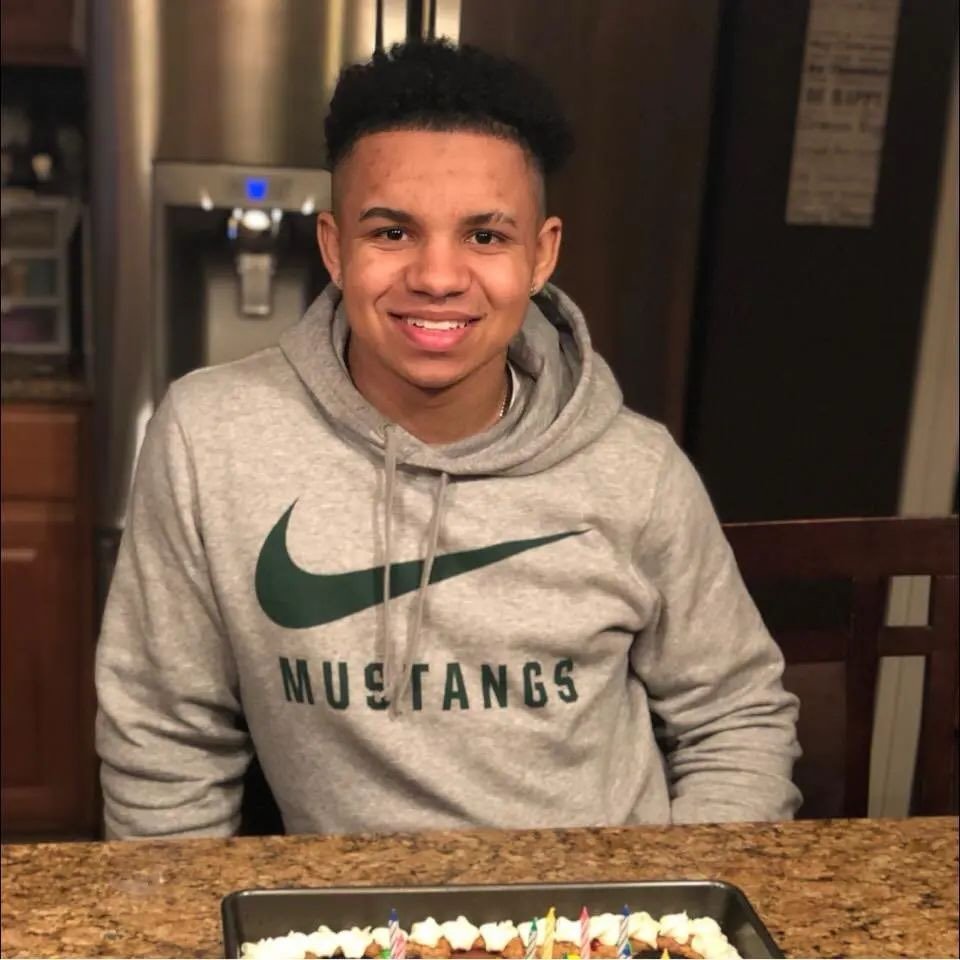
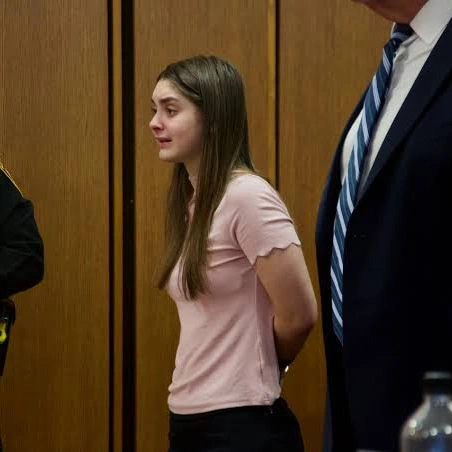

The absolute peak of audience engagement for Netflix’s true-crime documentary The Crash occurs during its final act. Throughout her 2022 investigation and her explosive 2023 bench trial, Mackenzie Shirilla maintained absolute public silence. She never spoke to detectives, she waived her right to testify in her own defense, and she left the courtroom without ever offering a personal narrative regarding the morning of July 31, 2022. That multi-year silence shattered completely when director Gareth Johnson and producer Angharad Scott secured an exclusive, highly restricted sit-down interview with Shirilla inside the walls of the Ohio Reformatory for Women.
Speaking openly on a global streaming platform while navigating an active life sentence is a high-stakes gamble. In her first-ever on-camera appearance, the 21-year-old Shirilla attempts to fundamentally reshape how the world views her character, balancing a thin line between acknowledging the horror of the tragedy and fiercely denying her legal status as a convicted murderer.
The Operational Reality of the Prison Interview
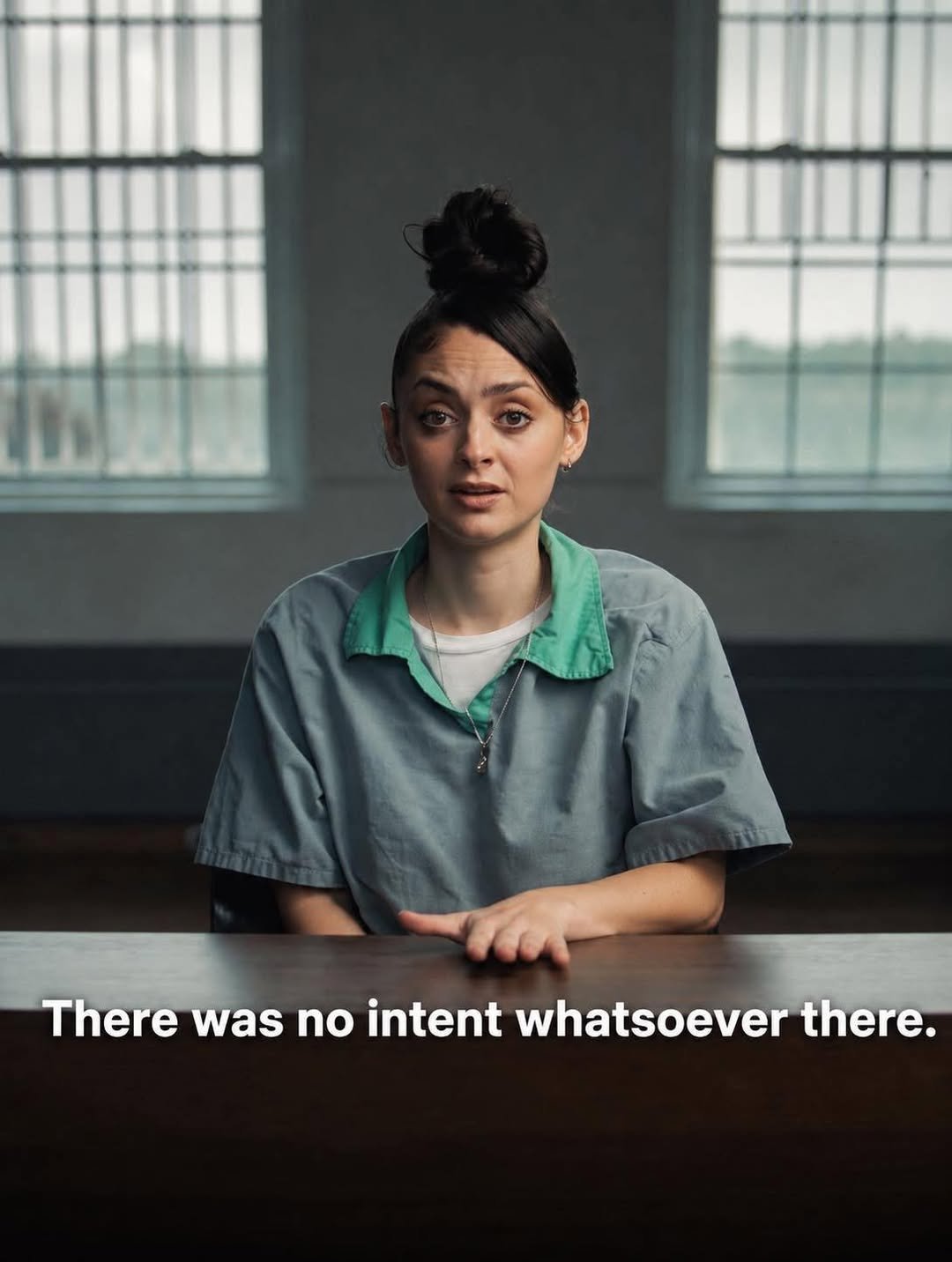
Securing on-camera access to an inmate serving a life sentence for murder requires navigating a maze of bureaucratic and legal hurdles. As revealed by the filmmakers in the documentary’s production notes, the state of Ohio granted a single, highly controlled one-hour window inside the correctional facility. The environment was clinical and tense, lacking any artistic staging or comfortable lighting.
Furthermore, the interview was conducted under strict supervision. Mackenzie’s defense attorney sat directly off-camera throughout the entire sixty-minute duration, actively monitoring the line of questioning to prevent his client from introducing statements that could damage her ongoing appellate petitions before the Ohio Supreme Court.
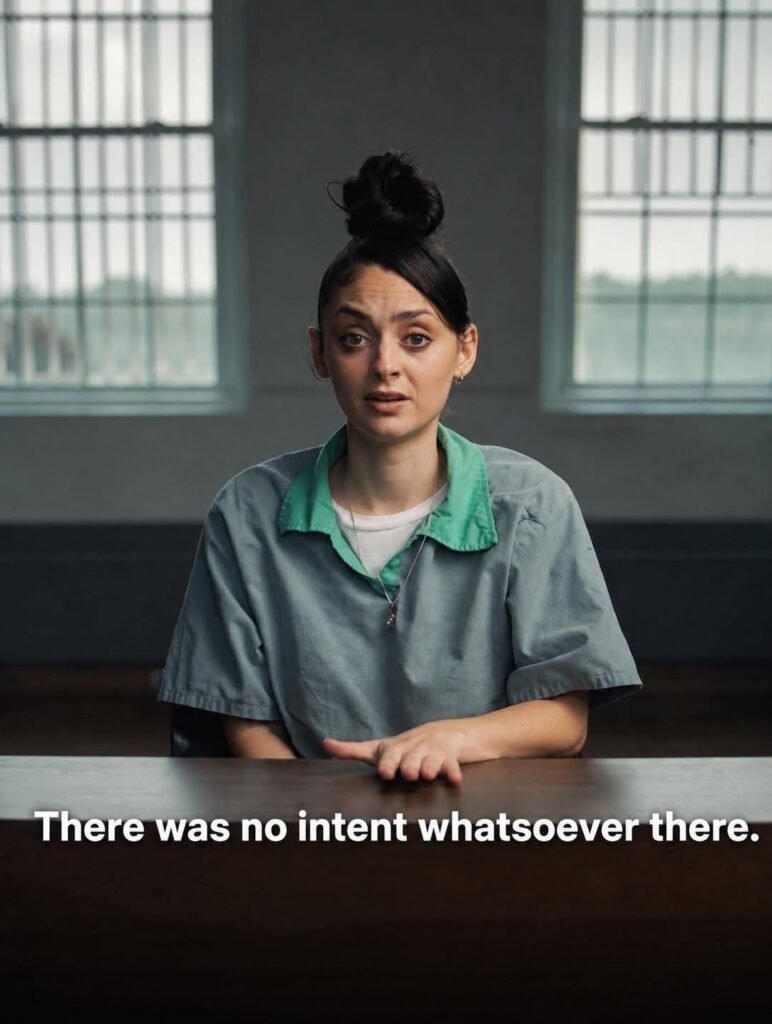
Despite these legal guardrails, what emerged was a raw, unfiltered look at a young woman trying to process her reality. Clad in standard institutional scrubs, a stark contrast to the highly stylized, filtered image she cultivated on TikTok as a teenager, Mackenzie addressed the camera with a measured, quiet voice that frequently cracked under the emotional weight of her environment.
Deconstructing the “Tragedy vs. Murder” Rhetoric
The core thesis of Mackenzie’s interview rests on a precise semantic distinction that she and her legal team are attempting to establish in the public consciousness. When pressed by investigators regarding her culpability for the deaths of Dominic Russo and Davion Flanagan, Mackenzie delivered the defining quote of the film:
”I’m not saying I’m innocent. I was a driver of a tragedy, but I’m not a murderer.”
This statement is highly significant from a behavioral analysis standpoint. By framing herself as the “driver of a tragedy,” Mackenzie attempts to accept the physical reality of the event without internalizing the moral or legal guilt of a purposeful killing.
She maintains that she has an absolute memory blackout regarding the critical seconds leading up to the impact. “I remember turning on the street and then I’m waking up in the hospital the next day and my whole life is shattered,” she states on camera. When the production team explicitly questions her on how convenient that memory lapse appears given the 100% throttle black box data, Mackenzie defaults to her historical medical defense, suggesting that a sudden, volatile drop in blood pressure caused by POTS is the only logical explanation for the vehicle’s erratic acceleration.
The Remorse Matrix and the Off-Camera Consultation
One of the most revealing moments of the interview occurs at the very end of her allotted time, capturing a glimpse of behind-the-scenes legal anxiety. The filmmakers ask Mackenzie if there is any final message she wishes to deliver to the families of the victims and the millions of viewers watching her story. Instead of delivering an immediate, unscripted response, Mackenzie breaks eye contact with the lens and turns directly to her attorney sitting off-screen.
”I just want to make sure that I’m big on the ‘no intent,'” she says to her lawyer, openly planning her phrasing to ensure she doesn’t “force anything” or “sound crazy.” Once cleared by her legal counsel, she faces the camera again to execute her final plea.
While true-crime advocates point to this moment as evidence of a highly managed, performative apology designed entirely to influence future parole boards, Mackenzie’s supporters argue it displays the genuine terror of an institutionalized young woman who knows that every single syllable she speaks could extend her stay in prison.
The Social Media Reframing: “The 17-Year-Old Brain”
The final critical element of her prison interview centers on her response to the viral TikTok backlash that heavily influenced her sentencing. When confront with the reality that her lighthearted posts about surviving drug use and attending concerts permanently alienated the local community, Mackenzie offers a retrospective defense rooted in adolescent psychology.
”I feel like anybody’s social media isn’t really them,” she explains calmly to the camera. “It’s how they want the world to see them. And at the time that’s how my 17-year-old brain was wanting to be seen.”
This defense strikes a powerful chord within the themes of The Crash. It positions Mackenzie as a product of a hyper-online generation that views life entirely through the lens of performance, even when navigating profound trauma. She argues that her post-crash digital footprint was not a manifestation of sociopathic malice, but rather the clumsy, defensive coping mechanism of an immature teenager who lacked the emotional tools to express real grief. Whether audiences view this explanation as an insightful moment of self-reflection or a calculated excuse, it remains the definitive peak of the documentary, leaving the world to debate whether the woman sitting in the Ohio Reformatory for Women is a monster or a victim of her own mind.