
The Guinness Ad Campaign in Ladies First 2026: Genius Satire or Sellout?
Ladies First





In the modern era of blockbuster streaming, audiences have grown accustomed to a certain level of corporate synergy. We expect to see characters driving specific luxury cars, holding the latest smartphones with the logo facing the camera, or casually sipping a recognizable soft drink. However, every so often, a film pushes the boundaries of brand integration so far that the product becomes a central character in its own right. This is exactly what happened with the highly controversial Ladies First 2026 Guinness integration.
When director Thea Sharrock’s matriarchal satire hit Netflix, the conversation immediately split into two camps. Half the internet was discussing Sacha Baron Cohen’s humiliating descent into a subservient male role, and the other half was asking a much more cynical question: Did I just watch a two-hour commercial for Irish stout?
The Guinness product placement in Ladies First 2026 isn’t just background dressing; it is the fundamental engine of the plot. It is the inciting incident, the holy grail of the Atlas advertising agency, and the thematic measuring stick by which we judge the differences between the original reality and the alternate universe. In this comprehensive breakdown, we are going to analyze the sheer scale of this brand integration. We will explore how the campaign functions within the narrative, examine the fierce critical backlash, and ultimately decide if this was a stroke of satirical genius or the most egregious corporate sellout in recent cinematic history.
The Plot Catalyst: How a Stout Beer Fractured Reality
To understand the controversy surrounding the Ladies First 2026 Guinness campaign, we must first look at how deeply it is baked into the film’s DNA. The movie does not casually introduce the brand; it builds the entire first act around a high-stakes, multi-million-dollar pitch to the Guinness executive board.
In the original timeline, the London-based Atlas advertising agency is desperate to land the Guinness account. The narrative establishes that Guinness is attempting a massive global pivot: they want to shed their image as a heavy, traditional, male-dominated beverage and aggressively target the female demographic. Damien Sachs (Sacha Baron Cohen), the apex-predator executive, views this pitch as his final stepping stone to the CEO chair.
However, there is a glaring problem. Damien is a spectacular chauvinist, and his creative team is an echoing “boys’ club.” When the Guinness executives push back, expressing deep skepticism that a room full of privileged men can effectively sell stout to modern women, Damien’s corporate survival instincts kick in. He panics. To save the multi-million-dollar deal, he lies directly to the clients, pulling his overworked, constantly marginalized colleague Alex Fox (Rosamund Pike) into the room and claiming she is his equal partner and the true creative visionary behind the campaign.
The Inciting Incident: The Lie That Changed the World
This single, desperate lie about the Guinness campaign is the absolute linchpin of the movie. Alex, who actually did do all the background research for the pitch but was deliberately used for optics, is furious at being used as a convenient prop for diversity. This blatant exploitation sparks the explosive, screaming confrontation on the streets of London.
During this argument—an argument explicitly about how she’s been treated on the Guinness account—Damien hits his head on a pole, suffers a massive head trauma, and wakes up in the matriarchal universe.
If you remove Guinness from the script, the movie simply does not happen. The brand is not incidental; it is structural. This is where the debate begins. Does intertwining a real-world brand so deeply into the foundation of a fictional narrative ground the story, or does it permanently compromise the artistic integrity of the film?
The Matriarchal Flip: Selling Guinness to the “Alpha Female”
The brilliance—or the shamelessness, depending on your perspective—of the Ladies First 2026 Guinness integration becomes fully apparent once Damien crosses over into the alternate reality. When he awakens in a world where women hold all historical, economic, and physical power, the Guinness campaign is still the most important account at Atlas Advertising. However, the cultural context of the brand has been completely inverted.
In this matriarchal reality, Guinness is not trying to capture the female market; they already own it. Guinness is depicted as the traditional, rugged drink of the working-class and executive woman alike. The fictional ads pitched within the movie in this universe are incredibly striking visual satires. They show muscular women in construction gear wiping sweat from their brows and downing a pint, or high-powered female CEOs clinking heavy glasses of stout in oak-paneled boardrooms while their dainty, subservient husbands sip light, fruity cocktails in the background.
Damien, now reduced to a disposable assistant under the terrifying reign of Alpha-CEO Alex Fox, realizes that his only ticket back to corporate relevance is to crack the Guinness pitch. He has to reverse-engineer his advertising instincts. He has to pitch a campaign that appeals to female dominance, using his unique (and secret) perspective as a former alpha male to give the female executives exactly what they want to hear.
The Argument for Genius Satire: Grounding the Absurd
There is a very strong, highly intellectual argument to be made that the heavy use of the Guinness brand was a masterstroke of corporate satire. When constructing a high-concept sci-fi comedy about parallel universes, the biggest risk is that the world feels too cartoonish or disconnected from the audience’s reality.
By utilizing a universally recognized brand with a distinct, real-world cultural footprint, director Thea Sharrock immediately anchors the absurdity in a grounded corporate reality. If the film had used a fake brand—like “Duff Beer” or “Generic London Stout”—the stakes of the advertising agency would feel entirely hollow. We know exactly how massive Guinness is. When the characters sweat over losing the account, the audience instinctively understands the financial gravity of the situation.
Skewering Modern Corporate “Femvertising”
Furthermore, the film uses the brand to ruthlessly mock the very real, often highly hypocritical trend of corporate “femvertising.” In the original reality, the Guinness executives demand female representation on the pitch team not because they genuinely care about gender equality, but strictly for optics and market penetration. They want the aesthetic of feminism to sell beer.
By making a real corporation the focal point of this hypocritical pandering, the film sharpens its teeth. It satirizes the way massive conglomerates co-opt progressive social movements purely for profit. In the alternate universe, it satirizes the exact same capitalistic greed, just flipped to target female egos. In this light, the brand integration isn’t just a commercial; it is a vital thematic tool used to expose the soulless, transactional nature of the advertising industry.
The Argument for Corporate Sellout: The 93-Minutes Commercial
However, the critical backlash against the Ladies First 2026 Guinness integration is equally valid, and for many viewers, it completely ruined the viewing experience. While the intellectual argument for satire holds up on paper, the actual execution on screen was suffocatingly heavy-handed.
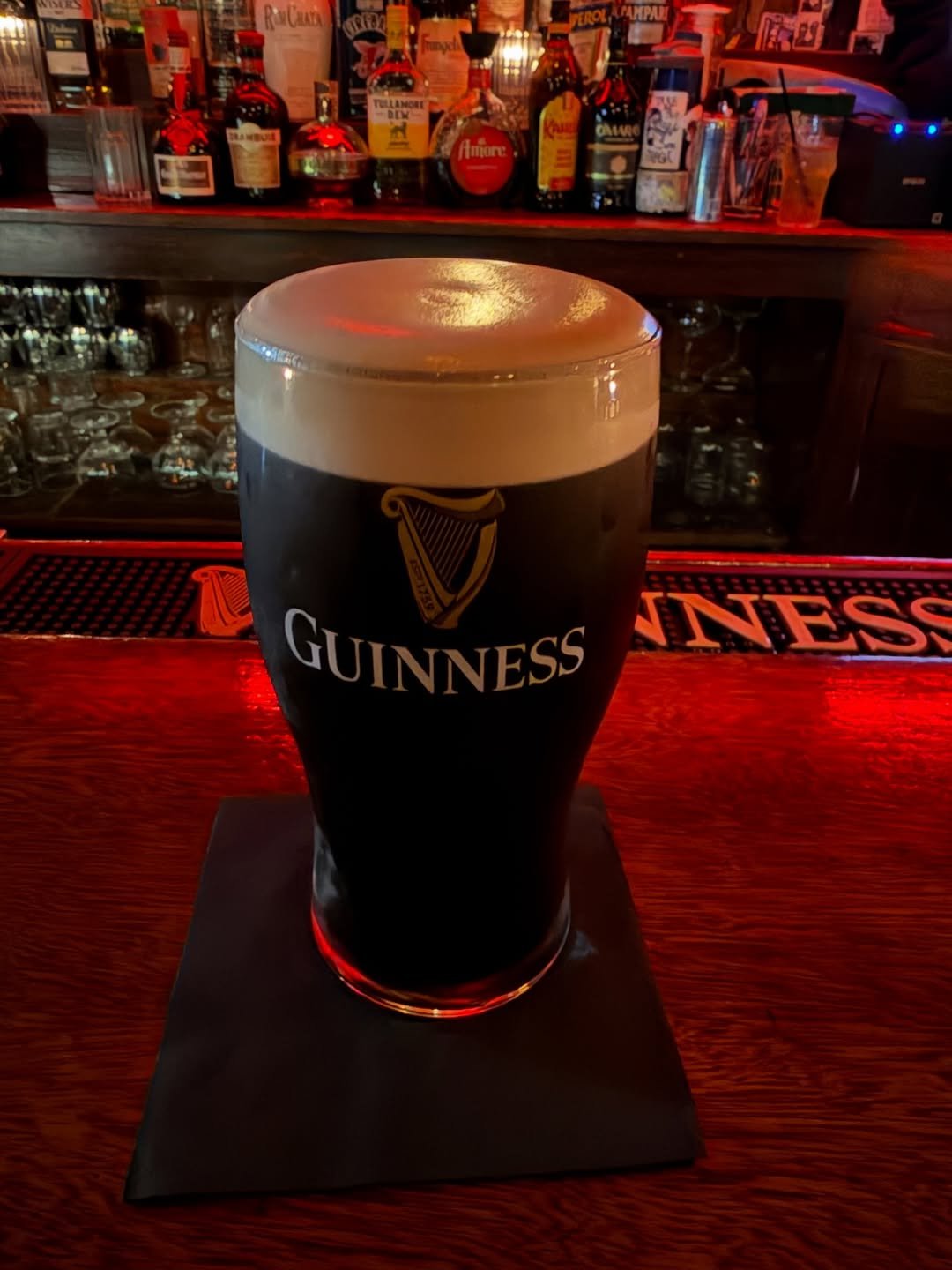
Critics were quick to point out the sheer frequency of the branding. The word “Guinness” is spoken dozens of times. The iconic black-and-gold logo is prominently displayed in multiple boardroom scenes, bar scenes, and background billboards. The perfect, creamy head of a freshly poured pint is given loving, slow-motion close-ups that look exactly like they were lifted directly from a television ad break.
At a certain point, the line between narrative world-building and contractual obligation blurs into oblivion. Viewers expressed intense frustration that a film meant to be a biting social critique of patriarchal structures spent an inordinate amount of its runtime essentially acting as a marketing vessel for a multinational alcohol conglomerate.
When Damien finally delivers his big, emotional, climactic pitch for the campaign in the third act, the emotional resonance of his character growth is severely undercut by the fact that his ultimate revelation is fundamentally just a really good slogan to sell beer. The satire is compromised because the film ultimately rewards the corporate machine. The movie never actually critiques the consumption of the product; it only critiques the marketing of the product. This leads to an inescapable conclusion for many: Netflix and the producers took a massive paycheck to fund the film’s budget, and in doing so, allowed a stout beer to hijack their feminist satire.
Historical Context: The Slippery Slope of Brand Integration
To contextualize the backlash, it is helpful to look at how Ladies First 2026 compares to other films that have attempted to build their narratives around real-world brands.
When The Internship (2013) centered entirely on Google, it was widely panned as a sterile, two-hour recruitment video because it refused to criticize the tech giant in any meaningful way. Conversely, when Barbie (2023) built a billion-dollar cinematic event around Mattel, it succeeded largely because it actively allowed its script to mock the Mattel executives as bumbling, out-of-touch corporate suits.
Ladies First 2026 falls somewhere in the uncomfortable middle. It mocks the executives handling the account, but it treats the product itself with absolute, unshakeable reverence. The beer is always framed perfectly, always presented as the ultimate prize, and always associated with power, regardless of which universe the characters are currently inhabiting. This selective satire is exactly what triggers the “sellout” alarm for astute viewers.
Final Verdict: Did the Product Placement Ruin the Movie?
So, is the Ladies First 2026 Guinness campaign a stroke of satirical genius or a shameless corporate sellout? The honest answer is that it is simultaneously both.
From a purely structural storytelling perspective, using the campaign as the catalyst that bridges the two realities is a clever, highly effective screenwriting mechanic. It provides a tangible, high-stakes anchor for Damien and Alex’s rivalry. It allows the film to skewer the performative feminism of modern corporate advertising, forcing the audience to look at how gender is weaponized to move consumer goods.
However, the execution is undeniably compromised by commerce. The sheer volume of screen time dedicated to lovingly photographing pints of stout crosses the line from narrative necessity into blatant advertising. It proves the very point the movie is trying to satirize: in the corporate world, artistic integrity will almost always take a back seat to a massive influx of capital. The film wants to tear down the patriarchy, but it makes sure to pause and remind you to drink responsibly while doing it.
Whether you found the integration brilliant or distracting, it served its ultimate purpose: it got people talking. But beyond the corporate branding and the heavy-handed satire, there is an incredible ensemble of actors who brought the Atlas advertising agency to life. Sacha Baron Cohen and Rosamund Pike carry the narrative, but the supporting cast is filled with heavyweights who elevate every scene.